




Why trade commodities with Tradeview Markets?
Commodities move on a different rhythm than forex or stocks — supply shocks, seasonal demand, geopolitical events. Trading them well starts with a platform and a broker built to keep up with that rhythm.
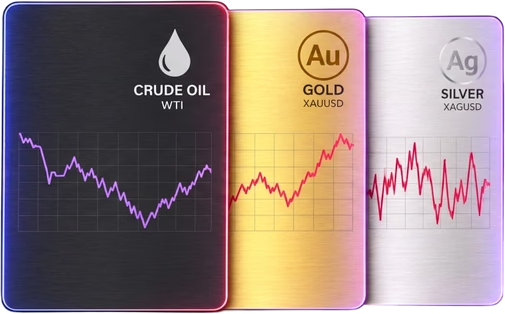
Multi-category access
Metals and energy commodities from a single account — no need to open separate accounts by asset class.
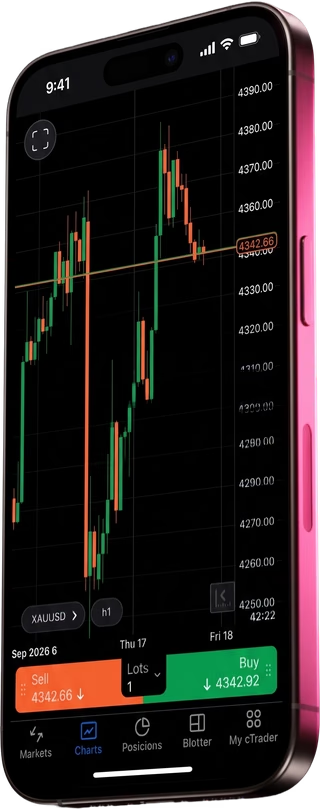
Choice of platform
The best commodity trading platform is the one that fits how you already trade — MT4, MT5 or cTrader, all supporting commodities CFDs.

Dedicated account support
A team available to help you understand contract specs and margin requirements before you trade, not just after.
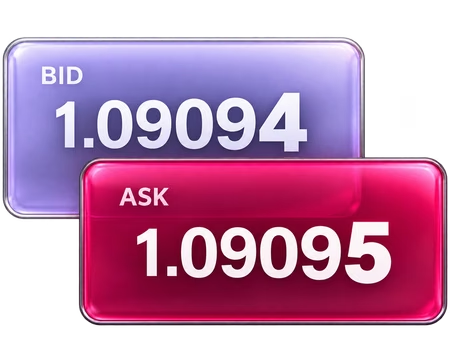
Competitive trading conditions
Tradeview's proprietary Innovative Liquidity Connector is designed to deliver tight spreads and low trading costs across commodity CFDs, including gold and oil.
What are Commodities & CFD trading?
What is commodity trading?
Commodities are raw materials — like gold, crude oil or wheat — that are traded on global markets, typically as standardized contracts rather than as the physical goods themselves.
Commodities are generally grouped into three categories:
- Precious metals
- Energy
Commodities you can trade
A quick look at the categories available — exact instrument list and contract specs confirmed against our trading conditions pages.
Precious metals
Precious metals trading covers gold, silver and other CFDs — the most actively traded category
- XAU/USD
- XAG/USD
Energy
Crude oil, natural gas and other energy CFDs, driven by supply, geopolitics and seasonal demand.
- Crude oil
- Natural gas
Full contract specifications, margin requirements and trading hours for each instrument are available on our futures contract specs, margin requirements and trading hours pages.
Gold & Oil: the most traded Commodities
Gold and crude oil are the two most searched for commodities among traders, and for different reasons.
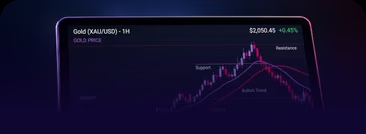
Gold trading
Gold tends to spike when investors look for a safe haven asset during market volatility or a weakening US dollar — it behaves less like a typical risk asset and more like a hedge. Trading gold online through a CFD means you can go long or short on gold's price without holding the physical metal.
Crude oil trading
Trading follows a different logic — prices react to OPEC decisions, inventory reports and shifts in global supply and demand, which makes it a more event-driven, momentum-oriented market than gold.
Whether you want to trade gold online or trade oil, both are available as CFDs on MT4, MT5 and cTrader, with the same account used for the rest of your commodities trading.
For a deeper breakdown of how to approach both markets, see our guide on choosing the best platform to trade gold & oil.
What moves commodity prices?
How does commodity trading work? It starts with the price drivers behind each instrument.
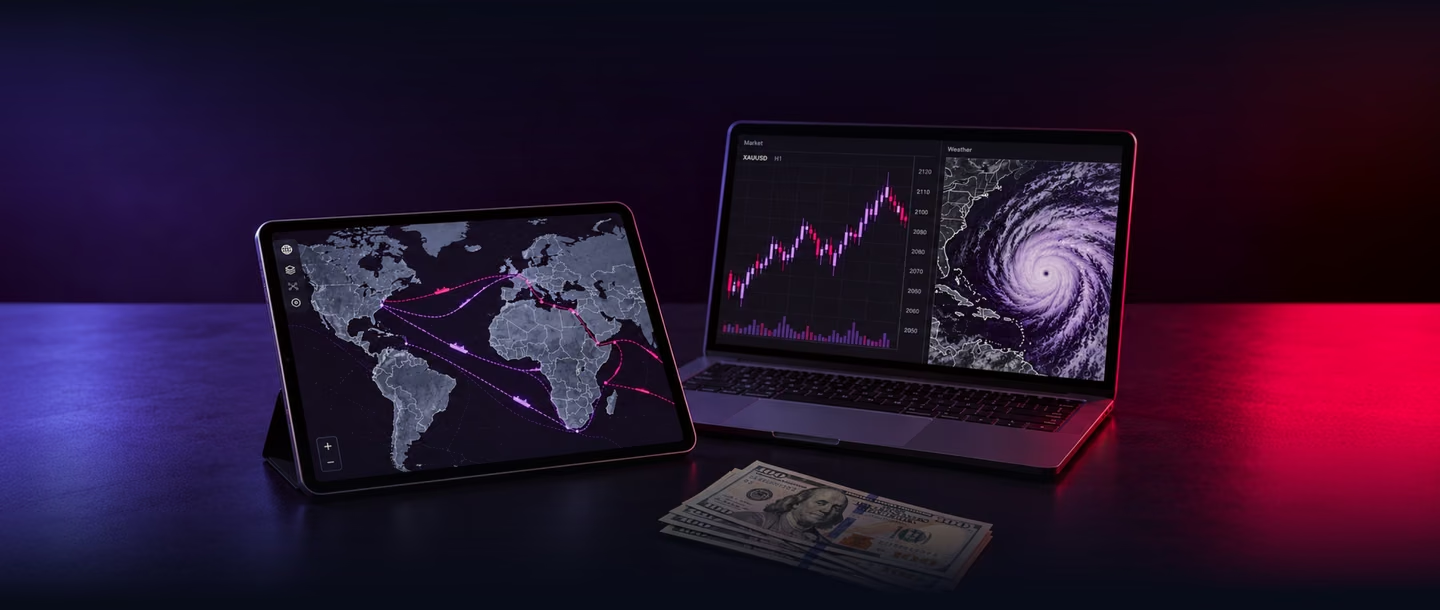
Commodity prices are driven primarily by supply and demand — a poor harvest, a supply disruption, or unexpected demand growth can move prices quickly. Beyond that, three forces show up repeatedly across the commodities market:
The US dollar
Most commodities are priced in USD, so a stronger dollar tends to make commodities more expensive for holders of other currencies, which can weigh on demand — and vice versa.
Geopolitical events
Conflicts, sanctions and trade disputes affecting major producing regions can move energy and metals prices sharply, particularly in oil and gas.
Seasonality and weather
Agricultural commodities are especially sensitive to growing seasons, weather events and harvest reports.
Understanding these drivers is part of how commodity trading works in practice — it's less about a single company's earnings report and more about macro and physical market conditions.
Commodities trading costs, explained
Whether you're doing gold CFD trading or online commodity trading more broadly, costs typically involve a spread and, depending on the instrument, an overnight financing charge for positions held past the daily rollover.
Margin requirements vary by instrument and are set out in full on our futures margin requirements page — check the specific commodity you plan to trade before opening a position.
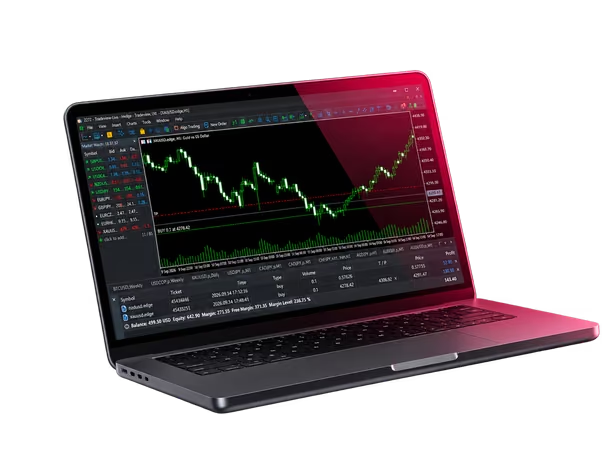
Choose your commodities trading platform
Choosing the best commodity trading platform comes down to fit — MT4, MT5 or cTrader, whichever matches the way you already trade.
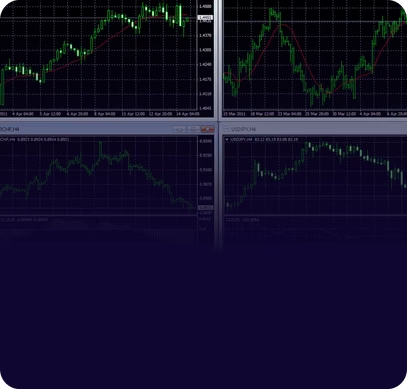

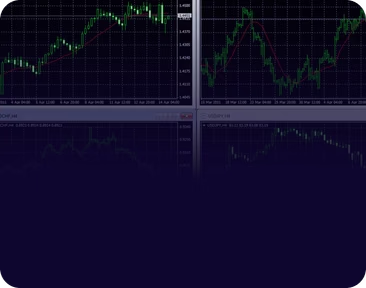
MetaTrader 4
The industry standard platform, with the charting and EA support commodities traders already know.
Explore MT4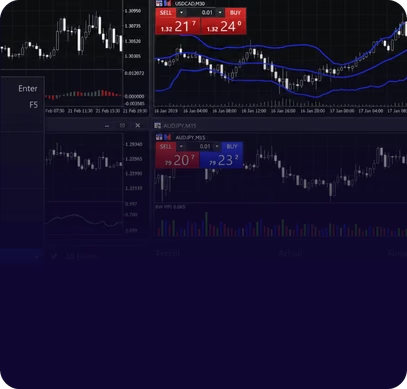

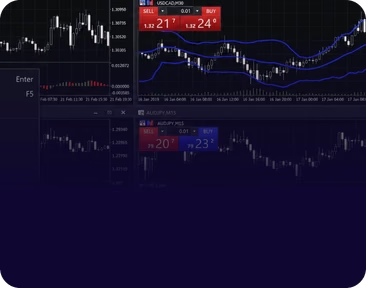
MetaTrader 5
An expanded instrument list and additional order types, on the same MetaTrader foundation.
Explore MT5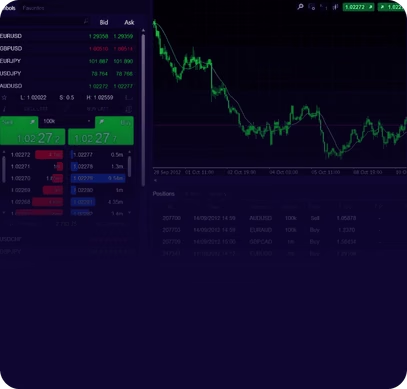

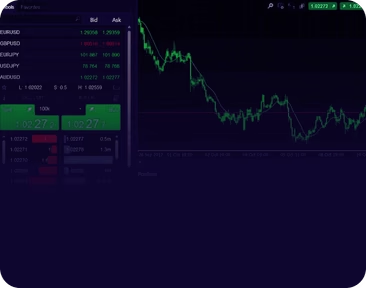
cTrader
Depth of market visibility and fast execution for traders who watch price action closely.
Explore cTrader
How to start trading Commodities
1.
Open an account
Choose a live account to trade with real funds, or a demo account to practice first.
2.
Choose your platform
MT4, MT5 or cTrader — all support commodities CFDs.
3.
Fund your account
Choose from Tradeview's available deposit methods.
4.
Place your first trade
Check contract specs and margin requirements for your chosen instrument before opening a position.
How we protect your funds
Trading commodities on margin means understanding not just the market, but who your commodities broker actually is.

Commodities market analysis & resources
Go deeper on specific commodities and strategies with our library of trading guides:
- Best platform to trade gold & oil
- Commodity trading strategies
- Commodity market basics
- How to trade commodities without owning the underlying assets
- Most traded commodities by volume, globally



FAQs
Straight answers to the questions people actually search before they start commodities trading.
Commodity trading means speculating on the price of raw materials — like gold, oil or agricultural products — usually through instruments like CFDs or futures rather than buying and storing the physical goods. With a commodity CFD, you take a position on whether the price will rise or fall without owning the underlying asset.
Commodities are raw materials or primary agricultural goods traded on global markets — generally grouped into precious metals (gold, silver), energy (crude oil, natural gas) and agricultural or “soft” commodities (wheat, corn, coffee).
The commodity market is where these raw materials are bought and sold globally, through exchanges and over the counter venues. Commodity trading refers to actively taking positions in that market — in this case, through CFDs on the price of the underlying commodity.
Open a live or demo account, choose your platform (MT4, MT5 or cTrader), fund your account, and review the contract specs and margin requirements for the specific commodity you want to trade before placing your first position.
You take a long or short CFD position on a commodity's price without owning the physical asset. Prices move based on supply and demand, the strength of the US dollar, geopolitical events and, for agricultural commodities, seasonal and weather factors.
Gold tends to trade as a safe haven asset, often moving on shifts in market risk sentiment or the US dollar. Crude oil is more event-driven, reacting to OPEC decisions, inventory data and global supply and demand — making it a more momentum-oriented market than gold.
Tradeview Markets offers commodities CFDs on MT4, MT5 and cTrader — the right choice depends on whether you prioritize familiar charting and EA support (MT4), an expanded instrument list (MT5), or depth of market visibility and execution speed (cTrader).
Yes, the minimum amount to start trading is $100.



Start trading commodities today
Trade commodities online — gold, oil and more — on the platform of your choice.




